Split ends are one of the most common signs of hair damage. They make hair look dry, uneven, and harder to manage, even when the rest of your routine feels right. While trims are often seen as the only solution, split ends usually form because of daily habits that weaken the hair over time.
Understanding why split ends happen is the first step toward preventing them. With the right care, you can improve the look of your ends, reduce breakage, and maintain healthier hair between trims.
What Are Split Ends?
Split ends happen when the hair’s outer protective layer breaks down. Once this layer weakens, the strand begins to split at the ends. This damage makes hair more prone to tangling, frizz, and breakage, which explains why split ends often make hair look dull and unhealthy.
Split ends usually develop gradually. Heat styling, friction, dryness, chemical treatments, and skipped trims all contribute to weakening the hair over time.
Frequent use of hot tools damages the hair’s protein structure. Rough brushing and tight hairstyles create friction that wears down the cuticle. Dry conditions and indoor heating remove moisture, while chemical services further stress the strand. Without regular trims, small splits travel upward and lead to more breakage.

Although split ends cannot repair themselves, proper care can smooth their appearance and prevent them from spreading further up the hair shaft.
✨ Quick Split End Prevention Essentials
If you want healthier ends fast, start with these:
- Best bond repair → Olaplex No.3
- Best leave-in heat protectant → Kérastase Extentioniste Thermique
- Best oil for split ends → Moroccanoil Treatment
- Best hair towel → Microfiber Hair Towel
- Best pillowcase → Satin Pillowcase
So, How Do You Fix Split Ends?
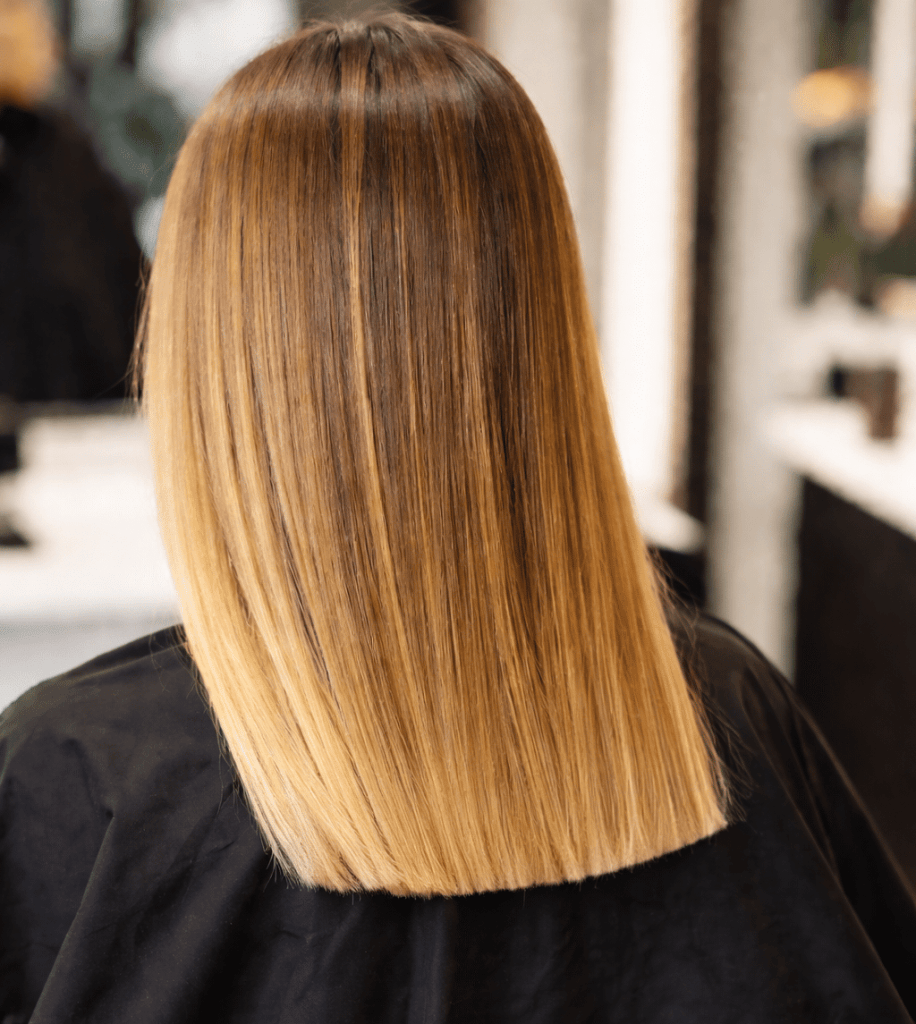
Get Regular Trims
Regular trims are the most effective way to deal with split ends. Cutting off damaged ends prevents splits from traveling further up the hair shaft, which helps preserve overall hair health. Small trims every eight to twelve weeks are usually enough to keep split ends under control while still allowing hair to grow.
Use a Bond Repair Treatment
Bond repair treatments strengthen hair from the inside, which helps prevent breakage and split ends from forming. Olaplex No.3 works by rebuilding broken bonds in the hair structure caused by heat styling, coloring, and daily stress. With consistent use, hair becomes stronger, smoother, and less prone to splitting at the ends.

👉 Shop Olaplex No.3 Hair Perfector on Amazon
Price: ~$30
Best for: Damaged hair, bleached hair, heat-styled hair.
How to use: Apply to damp hair before shampooing and leave on for 3–10 minutes. Use once or twice per week for stronger hair and healthier ends.
Apply a Leave-In Conditioner With Heat Protection
A product like the Kérastase Résistance Extentioniste Thermique works as both a leave-in treatment and a heat protectant. This leave-in treatment protects hair from heat while strengthening the lengths and ends. Heat styling is one of the main causes of split ends, and using a heat protectant every time you style your hair can significantly reduce damage. This product smooths ends, reduces breakage, and protects hair during blow-drying or styling.

👉 Shop Kérastase Résistance Extentioniste Thermique on Amazon
Price: ~$50
Best for: Heat styling protection, fragile ends, long hair.
How to use: Apply to towel-dried hair before blow-drying or heat styling. Focus on mid-lengths and ends.
Seal the Ends With a Hair Oil or Serum
Hair oils help seal the hair cuticle, smooth split ends, and reduce frizz. While oils do not repair split ends permanently, they improve the appearance of damaged ends and protect them from further breakage. Moroccanoil Treatment is lightweight and adds shine while keeping ends soft and smooth.

👉 Shop Moroccanoil Treatment Hair Oil on Amazon
Price: ~$50
Best for: Dry ends, frizz, split ends, dull hair.
How to use: Apply a small amount to dry hair, focusing on the ends.
Switch to a Microfiber Hair Towel
Regular towels create friction, which weakens hair and leads to split ends over time. Microfiber hair towels absorb water quickly while being much gentler on the hair cuticle. This reduces friction, breakage, and damage while drying hair.

👉 Shop Laojbaba Microfiber Hair Towel on Amazon
Price: ~$9
Best for: Reducing breakage, protecting wet hair
Sleep on Silk or Satin Pillowcases
Cotton pillowcases create friction and absorb moisture from the hair overnight. Satin pillowcases allow hair to glide smoothly and help retain moisture, which reduces tangling, breakage, and split ends over time.

👉 Shop Kitsch Satin Pillowcase on Amazon
Price: ~$19
Best for: Preventing breakage overnight, frizz control
If frizz and flyaways are a bigger issue for you during colder months, we share more practical fixes in our guide to preventing winter static hair.
How to Prevent Split Ends Long Term
Preventing split ends comes down to consistent care. Limiting heat styling, deep conditioning regularly, detangling gently, and protecting hair from harsh weather all support healthier hair over time.
Split ends signal that hair needs better protection and moisture. While no product can permanently repair them, the right routine can significantly improve how hair looks and feels. Focusing on prevention helps hair stay smooth, strong, and healthy as it grows.
Small daily habits make a noticeable difference. 💕
Shop Split End Prevention Essentials
- Olaplex No.3 Hair Perfector → Bond repair treatment
- Kérastase Résistance Extentioniste Thermique → Leave-in heat protectant
- Moroccanoil Treatment Hair Oil → Hair oil for split ends
- Laojbaba Microfiber Hair Towel → Reduce breakage while drying
- Kitsch Satin Pillowcase → Protect hair while sleeping